From Syllabus to CapTable: How High Schoolers Are Launching Real Ventures
Read how Revonix Labs operates high school incubators where students move past business plans to build real code, acquire users, and pitch to founders.
The Limitation of the Classroom Business Plan
High school business education in India has long been theoretical. Students learn about demand curves, corporate structures, and marketing definitions. In entrepreneurship electives, they might write a static PDF business plan for a hypothetical shoe store or organic cafe. But a business plan is not a business. A business is a group of people solving a problem in exchange for value.
When students are sheltered from the friction of the real market, they develop a distorted view of what it takes to build a venture. They focus on brand names and theoretical projections, rather than user acquisition, technical feasibility, and customer discovery.
"The best way to learn how to swim is to get in the water. The best way to learn entrepreneurship is to ask a customer for their time, build a product they need, and launch it."
The Revonix Venture Studio Model
At Revonix Labs, we run our studios like real startup accelerators. We do not teach students how to write business plans; we help them build Minimum Viable Products (MVPs) and acquire their first ten users. Our curriculum is mapped to the standard Next.js, IoT, and Cloud database tech stacks used by top tech companies globally.
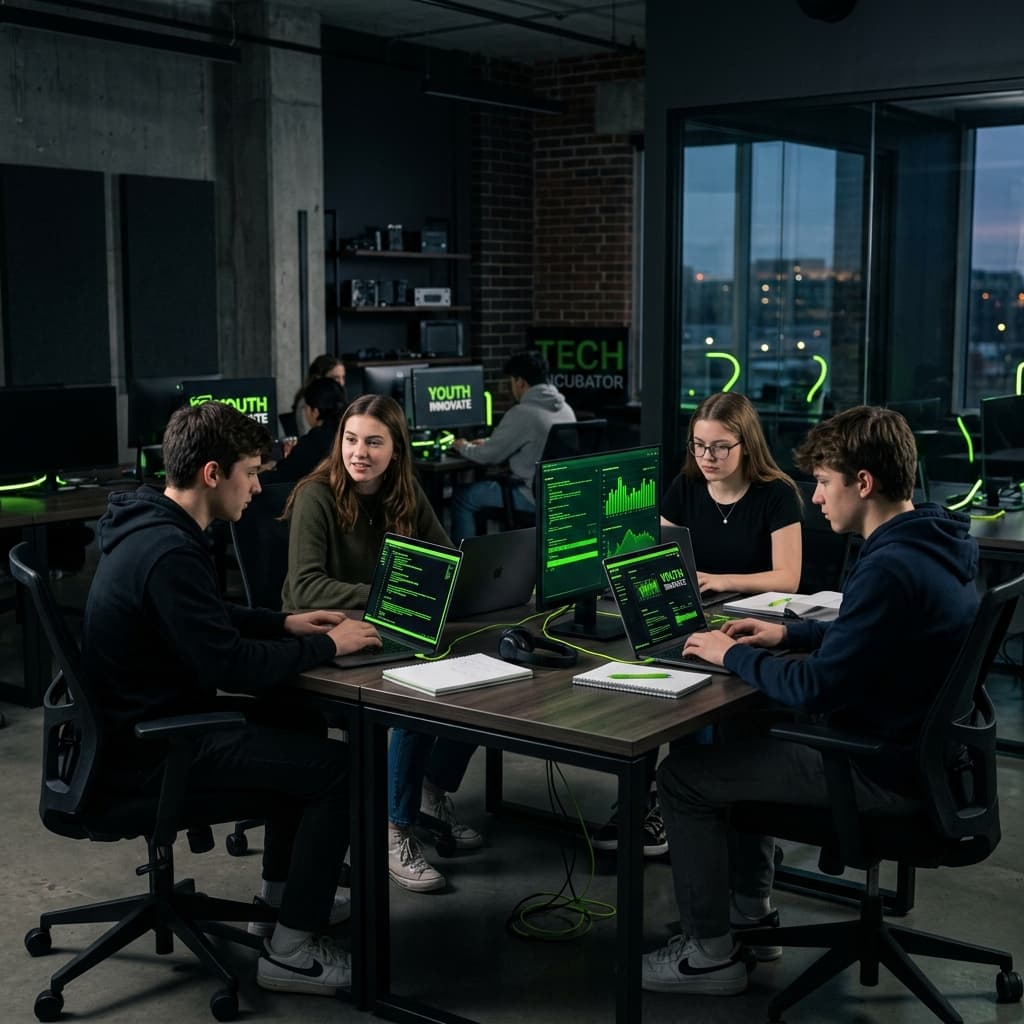
Students in our **Founders Band** (Grades 9-12) work in teams to go through the entire startup lifecycle:
- Problem Discovery: Interviewing peers, parents, and local business owners to find actual operational friction.
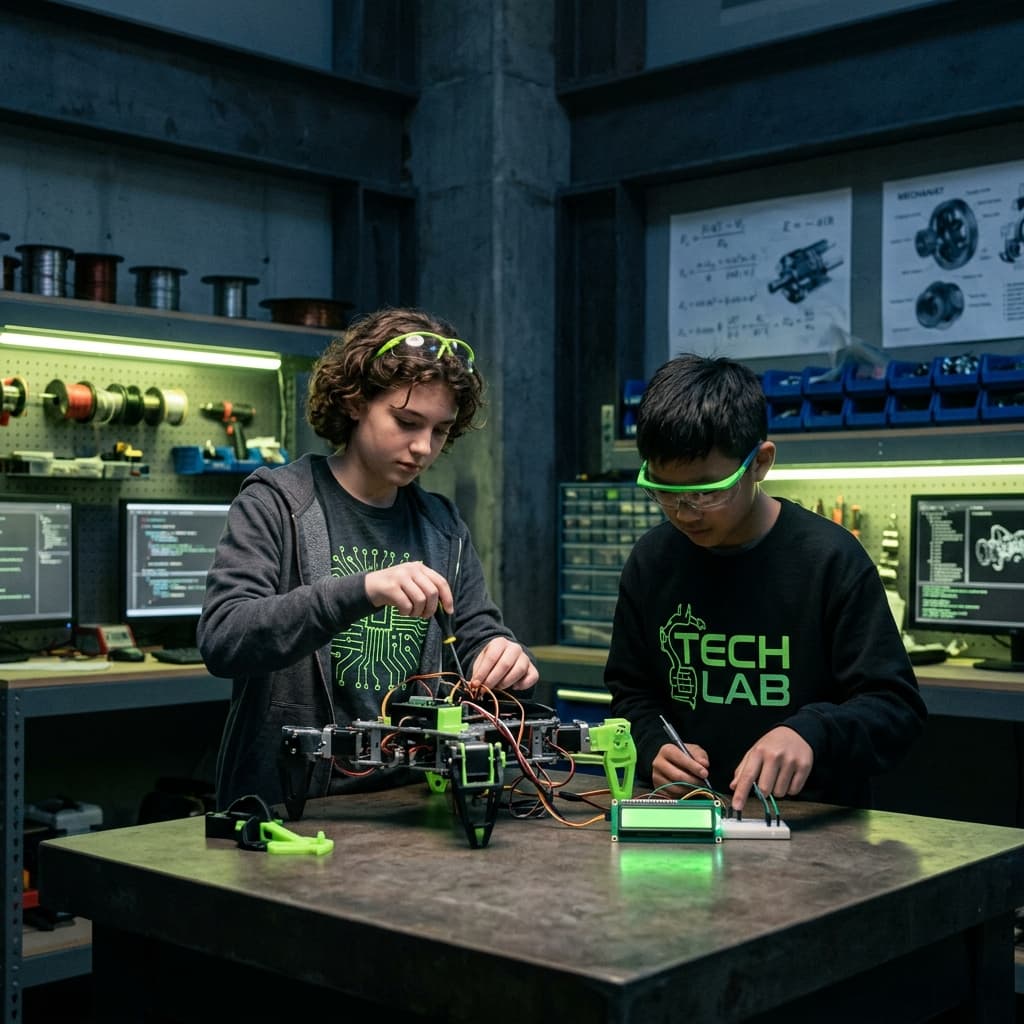
- Prototyping: Building web applications using modern developer tools, rather than mockups. We teach students React, Tailwind CSS, and simple serverless databases.
- User Validation: Launching landing pages, running micro-marketing campaigns, and tracking click-through rates.
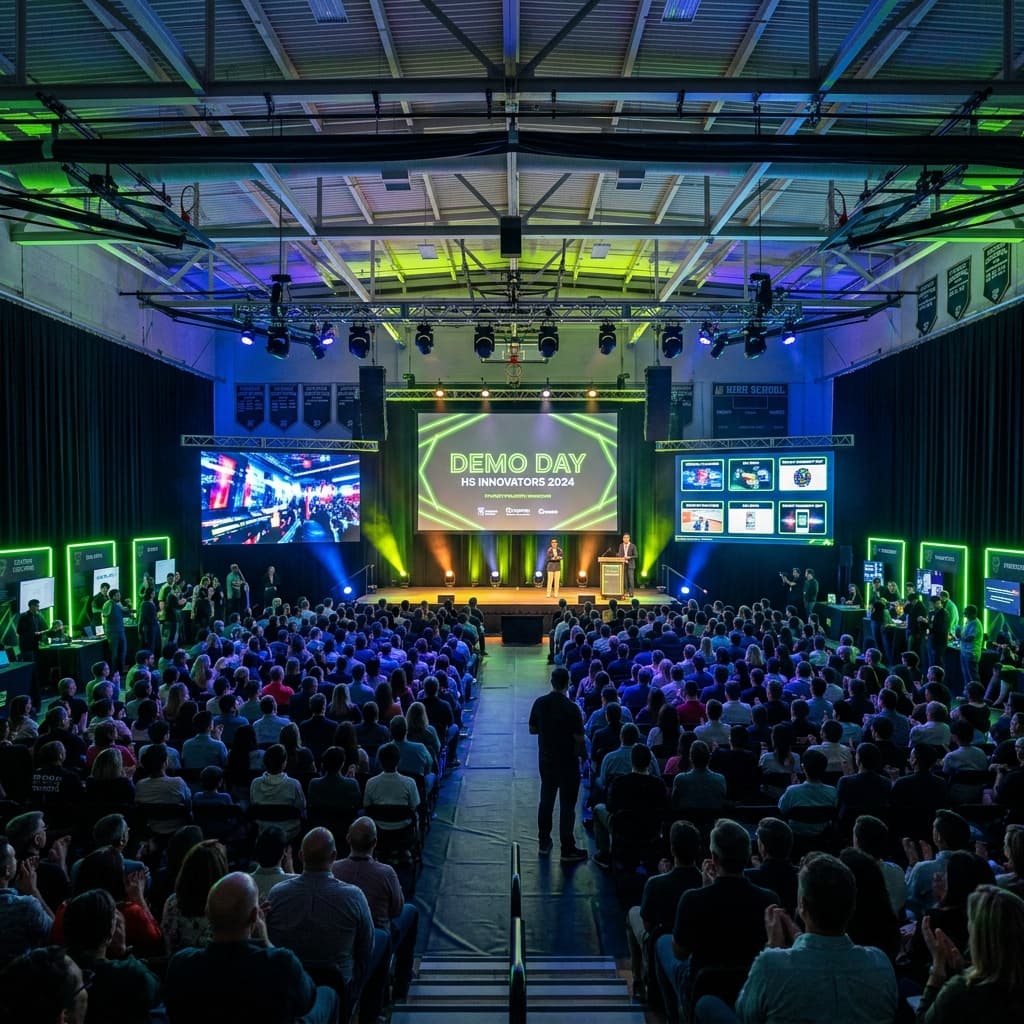
- Pitching & Demo Day: Presenting functional prototypes to a panel of founders and engineers, rather than classroom teachers.
Real Projects, Real Portfolios
The projects built in our studios are not abstract. We have seen high schoolers build peer-to-peer tutoring platforms, automated attendance hardware for their school, and local logistics coordination apps. When these students apply to top-tier international universities or join the tech workforce, they do not bring certificates of attendance. They bring a GitHub link, a live URL, and a database diagram.
By shifting the incentive structure from standard marks to portfolios, we are training the next generation of engineers and founders right from the classroom floor.