The STEM Illusion: Why Robotics Kits Are Failing Our Students
Most school robotics kits fail because they are vendor-locked toys. Discover why student-owned building beats instruction-led tutorials.
The Hardware Bottleneck in Indian Schools
Walk into any modern school computer or science lab today, and you are likely to see shelves lined with identical plastic tubs. Inside are expensive robotics kits, microcontrollers, and servo motors. On paper, it represents a progressive commitment to 21st-century education. In practice, it is a graveyard of unused hardware.
For nearly a decade, STEM education in India has been dominated by the "vendor model." Hardware companies sell packaged curriculum kits to schools, run a brief training workshop for teachers, and leave. Within months, the hardware collects dust. Why? Because the kits are designed as closed loops. They teach kids how to build a pre-designed robotic arm using a specific instruction guide, but they fail to teach them how to identify a real-world problem and use technology to solve it.
"When you give a child a recipe, they learn to follow instructions. When you give them raw ingredients and a kitchen, they learn how to create. STEM education has focused too much on the recipe."
The Shift from "Sell the Lab" to "Operate the Studio"
At Revonix Labs, we have spent years studying how students interact with technology. Our thesis is simple: tinkering is not enough. To build real, long-term competency, students need to shift from passive instruction-following to active, self-driven creation.
We call this methodology Kinetic Logic. Instead of buying vendor-locked toys, we transform school labs into student-owned venture studios. Here is how our approach differs from traditional STEM labs:
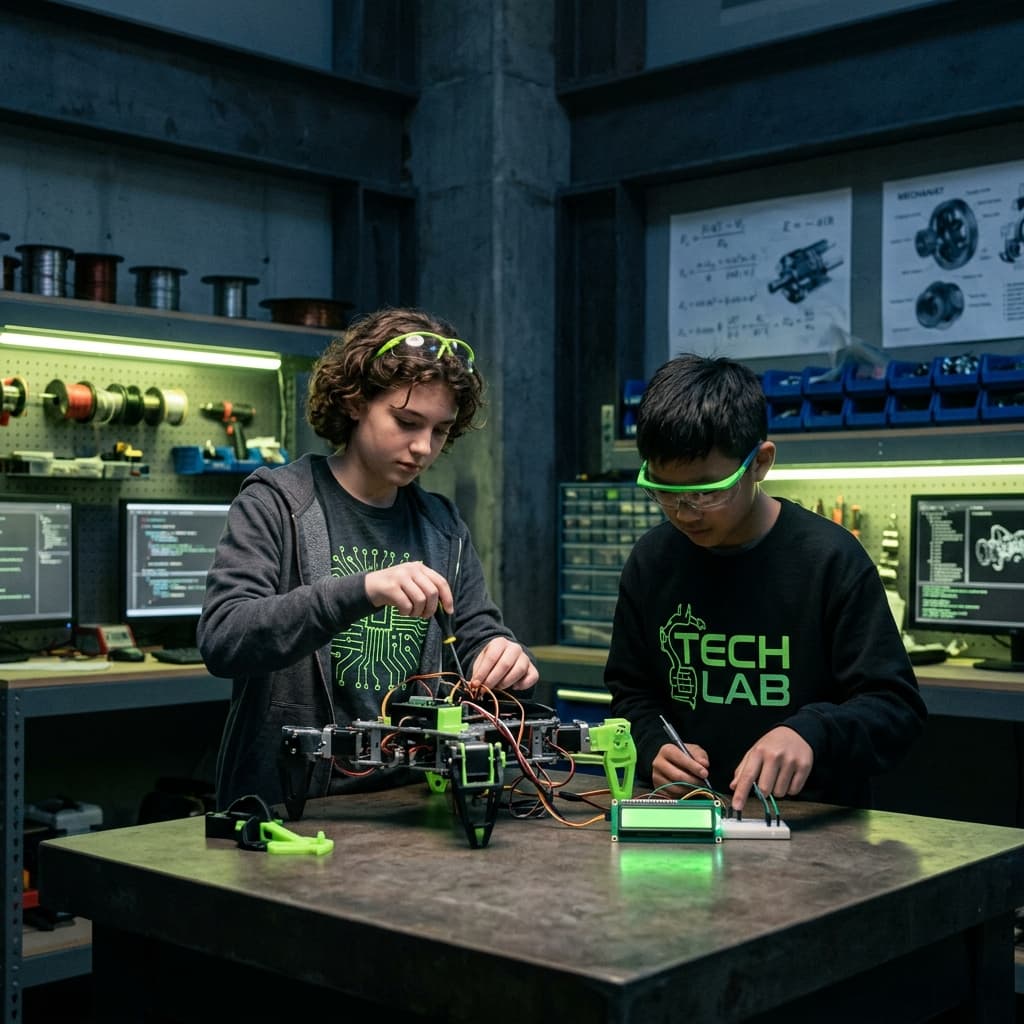
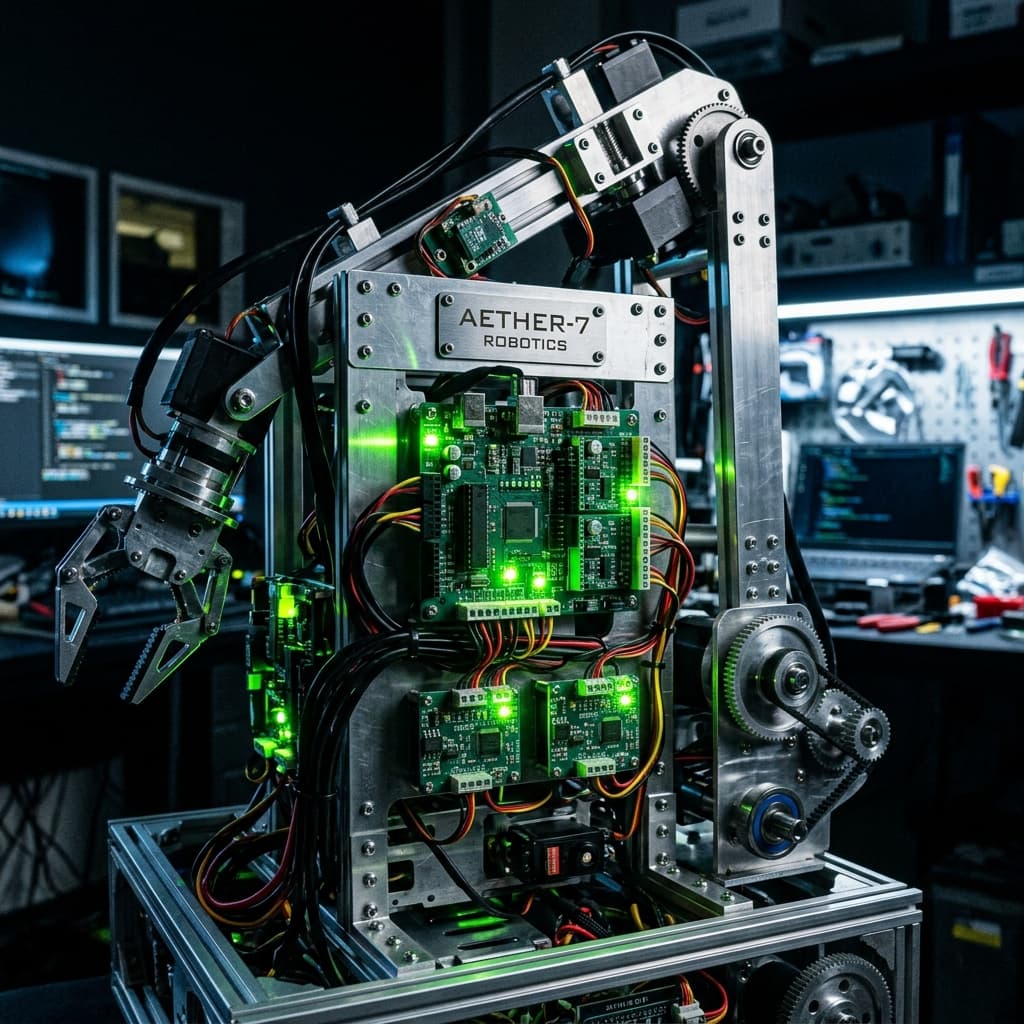
- Open Hardware: We use standard, industry-grade components rather than proprietary, snap-together kits. If a sensor breaks, students learn to troubleshoot and source a replacement, just like real hardware engineers.
- User-Focused Coding: Code is not written to pass a test; it is written to make a physical product function for a user. Students write C++, Python, or JavaScript to solve real operational constraints.
- Iterative Design: Failures are not graded; they are logged as bug reports. Students learn to refine their physical chassis, wiring, and code logic through constant testing.
Evidence from Haryana
In our pilot hubs in Haryana, we saw this shift take place in real-time. In schools where traditional robotics kits had been idle for months, we introduced the Revonix Studio framework. Within 90 days, students were not just assembling robots; they were designing automated agricultural sensors for local fields, smart waste sorters for their cafeteria, and IoT home automation panels.
// The Kinetic Logic Loop
1. Friction Point: Identify a local problem.
2. Architecture: Design the system layout.
3. Breadboard: Prototype the electrical paths.
4. Logic: Write firmware & test edge cases.
5. Housing: Design & 3D print the enclosure.
6. Launch: Deploy in the real environment.
The solution to the STEM illusion is not more hardware. It is a change in the operating model. By giving students agency, open tools, and a portfolio-driven incentive structure, we can turn empty classroom labs into high-octane engineering hubs.